• Skip to primary navigation
  • Skip to main content
  • Skip to primary sidebar
  • Skip to footer

Bowdoin Science Journal

  • Home
  • About
    • Our Mission
    • Our Staff
  • Sections
    • Biology
    • Chemistry and Biochemistry
    • Math and Physics
    • Computer Science and Technology
    • Environmental Science and EOS
    • Honors Projects
    • Psychology and Neuroscience
  • Contact Us
  • Fun Links
  • Subscribe

Environmental Science and EOS

SMART Conservation Software aids wildlife management teams in conservation efforts

April 21, 2024 by Layla Silva '27

Those who work in the field of wildlife management aim to protect the biodiversity of ecosystems, which is critical in maintaining the health of the environment. But wildlife management workers around the world frequently experience serious challenges such as poaching, logging, illegal farming, forest fires, and insufficient resources. For example, poachers use snare loops (wire traps that tighten around the necks of animals) to catch protected species. In 2014, tiger poachers in the Sundarbans Reserved Forest of Bangladesh placed thousands of these snare loops across the entire reserve, in locations too far from guard posts to be monitored full time (Abdul Aziz et al., 2017). In most conservation groups, there are not enough funds, employees, or volunteers to efficiently manage wildlife and simultaneously prevent poachers from killing protected animals. Thus, wildlife management teams are calling for improved tools that will better protect endangered animals from further harm.

Figure 1. Snare loop around a lion’s neck. Loops can tighten around any part of the body, holding the animal in place until poachers arrive or weakening it until it dies of its injuries.

Companies such as SMART, Re:Wild, and the World Wildlife Fund developed SMART Conservation Software in 2011 to better support wildlife conservation groups. SMART is short for Spatial Monitoring and Reporting Tool, and it is a digital platform capable of collecting and evaluating data on wildlife management sites. Workers within the same management system can input data as they come across new information, allowing the platform to record what they find in real time like where animals are mating, as well as where and when poacher traps are found (https://smartconservationtools.org/). Using these inputs, SMART plots a management team’s efforts, impacts, and shortcomings over time, highlighting areas that need improvement. Once those improvements are made, management groups are better able to conserve biodiversity, enforce the law, encourage and oversee tourism, and use natural resources properly.

Figure 2. Wildlife management employees use SMART device to log important conservation information.

Companies such as SMART, Re:Wild, and the World Wildlife Fund developed SMART Conservation Software in 2011 to better support wildlife conservation groups. SMART is short for Spatial Monitoring and Reporting Tool, and it is a digital platform capable of collecting and evaluating data on wildlife management sites. Workers within the same management system can input data as they come across new information, allowing the platform to record what they find in real time like where animals are mating, as well as where and when poacher traps are found (https://smartconservationtools.org/). Using these inputs, SMART plots a management team’s efforts, impacts, and shortcomings over time, highlighting areas that need improvement. Once those improvements are made, management groups are better able to conserve biodiversity, enforce the law, encourage and oversee tourism, and use natural resources properly.

SMART is used by conservation organizations around the world, one example being the Chirripó National Park in the Talamanca Mountain Range of Costa Rica. For years, the Chirripó management team had been struggling to precisely locate and record the illegal activities taking place on protected land, making it impossible to remove offenders or convince authorities that their ongoing complaints were valid (Madrigal). But SMART software can be downloaded on personal devices, so when the park introduced SMART to their employees and surrounding members of the community, citizens who were not involved in full-time park conservation were still able to contribute (Madrigal). This added many more eyes, ears, and hands to the conservation effort, and within one year, Chirripó was able to report the exact dates and locations of 44 cases of illegal activity across the park to law enforcement (Madrigal). Once law enforcement gained access to this concrete information, they were able to operate efficiently, driving down the crime rate. More importantly to Chirripó National Park, the added coverage helped protected species such as the Baird’s tapir, the spider monkey, the puma, the agouti, and the jaguar (Madrigal). Chirripó’s experience with SMART demonstrates how useful this technology is for organizing and communicating the issues conservationists face on a daily basis.

Figure 3. SMART conservation software helps Chirripó National Park to protect animals like the Baird’s tapir pictured above.

Like most technology, SMART software is exciting, innovative, and solves modern day problems – but it also comes with some challenges. The Zimbabwe Parks and Wildlife Management Authority (ZPWMA), an organization that works to protect lions, elephants, leopards, and buffalo across all of Zimbabwe, points out that implementing SMART conservation technology can present capacity and resource issues for conservation management employees (Kavhu et al, 2021). Many workers were unfamiliar and uncomfortable with the technology, there were not enough electronic devices such as computers to collect all field data, and many of the patrol routes were without internet access (Kavhu et al, 2021). While it is possible that technological innovation is not a priority for Zimbabwe, it is also important to remember that Zimbabwe’s history is one marred by British colonialism, and the country only gained its independence in the late 1970’s (Ingham et al., 2023). These setbacks help to explain why Zimbabwe has been unable to progress as in the world of electronic technology, even if the progress is desired. These issues of technological access can be applied to other countries that do not yet have a strong electronic infrastructure, meaning that SMART works best in more electronically informed countries and falls short in countries that have not expanded their electronic bandwidth.

Figure 4. Parks in Zimbabwe aim to protect their buffalo populations.

There are some solutions to these technological problems. For example, building a strong implementation plan, motivating the discouraged workers, following the example of other institutions that have implemented SMART technology, and, most importantly, raising funds to buy more computers would make the use of SMART technology easier in Zimbabwe parks (Kavhu et al, 2021). Adding more volunteers to the conservation effort is also a great solution. If ZPWMA advertised volunteer opportunities in their communities using layperson terms, supporters of the conservation effort would be more likely to help manage the wildlife in Zimbabwe’s parks. Of course, volunteers would need to be trained so that they are able to properly identify notable occurrences in the parks, but their contributions have the potential to greatly strengthen the conservation effort.

SMART Conservation Software is off to a great start in helping to better manage parks around the world. Though SMART does find its faults in countries unaccustomed to the devices needed for software implementation, this problem will only grow smaller as the world continues to progress in the realm of personal electronic devices (given that countries like Zimbabwe want to prioritize electronic familiarity moving forward). Its ability to collect, organize, and present data across long distances and multiple devices allows wildlife management teams to care for protected species much more efficiently, making SMART a tool that revolutionizes the realm of conservation.

Works Cited

Abdul Aziz, M. et al. Investigating patterns of tiger and prey poaching in the Bangladesh Sundarbans: Implications for improved management. ScienceDirect, vol. 9, 2017, pp. 70-81.

Barrantes Madrigal, Jimmy. “Community-based SMART patrolling in one of the Great Five Forests of Mesoamerica: the Talamanca Highlands.” SMART, https://smartconservationtools.org/en-us/SMART-Community/Your-stories/Case-Study?CaseStudyID=27.

Ingham, Kenneth, et al. “History of Zimbabwe”. Encyclopedia Britannica, 12 Dec. 2023, https://www.britannica.com/topic/history-of-Zimbabwe. 

Jones, J.J.. “Snared Lioness in Kruger National Park.” Wildestofficial.com, 20 September 2019, https://wildestofficial.com/news/snare-poaching-increasing-in-kruger-national-park/.

Kavhu, Blessing, et al. Spatial Monitoring and Reporting Tool (SMART) in Mid‐Zambezi Valley, Zimbabwe: Implementation challenges and practices. ProQuest, vol. 3, 2021.

San Diego Zoo. Baby Baird’s Tapir. animals.SandiegoZoo.com, https://animals.sandiegozoo.org/animals/tapir.

Slade, James. Conservationists operating SMART device. Smartconservationtools.com, https://smartconservationtools.org/en-us/SMART-in-Practice/How-we-use-SMART. 

SMART. “About Us.” SMART, https://smartconservationtools.org/en-us/About/About-us. The Great Projects. Buffalo in Zimbabwe. thegreatprojects.com, https://www.thegreatprojects.com/volunteer-in-zimbabwe.

Filed Under: Biology, Environmental Science and EOS, Science

Chernobyl Wolves Living with Cancer

April 21, 2024 by Natalie Hayden '27

A peculiar phenomenon is occurring in Chernobyl, Ukraine. It has been a ghost town since the nuclear accident in 1986, and radiation levels are too high for humans to live safely. When the accident occurred, it released over 100,000 lbs of radioactive material into the atmosphere which was dispersed across Europe and the USSR. Over 100,000 people were evacuated from over 200 villages. An exclusion zone with a 30 km radius was created to protect humans from the radiation that still remains (NPR, 2024). The level of radiation varies within the CEZ because wind and rain spread the radiation when the accident occurred. Wolves are in a unique position as the apex predators– they encounter radiation exposure at every level of the food chain. From a contaminated deer eating contaminated grass, wolves are one of the most radiation-exposed animals in the CEZ. The wolves in the CEZ are exposed to much higher levels of radiation than are considered safe for humans. For humans, the annual limit is 1 mGy, but for wolves, they are exposed to 2.6-35.7 mGy on a daily basis (MIT News, 1994). Despite this high level of radiation, the wildlife is thriving, filled with elk, deer, boar, and wolves. While radiation is typically thought of as a risk for developing cancer, the Chernobyl grey wolf population is thriving in tandem with this disease, developing a population that is nearly seven times as dense as surrounding wolf populations. Puzzled by their strange ability to survive in these harsh conditions, researchers set out to determine what was going on. Scientists measured nine wolves’ movement and radiation levels within the CEZ through a GPS containment-monitor for six months. They found that the level of radiation varied depending on where the wolves were within the CEZ (Hinton et al., 2019). Although the level of contamination varies, these high levels of radiation may be enough to drive natural selection, helping wolves thrive in these harsh conditions (Love et. al, 2020). 

Scientists set out to uncover if the radiation from Chernobyl was enough to drive natural selection, allowing the population to evolve in such a way to protect it from radiation. Researchers analyzed the wolves’ fecal samples for parasites, took blood samples to sequence the full blood transcriptomes, a collection of mRNA transcripts, and muscle tissue samples. The study also looked at the blood cell composition of these wolves, to take a closer look at the immune cells, which are indicative of different types of stress or disease (Love et. al, 2020). The study compared CEZ wolves to those in Belarus, outside of the CEZ, and to wolves in Yellowstone National Park (NPR, 2024). They found that some of the fastest-evolving genes “have some role in cancer immune response or the anti-tumor response in mammals” (NPR, 2024). These genes are called Endogenous Retroviruses, or ERVs, which are associated with neurological, autoimmune, and oncogenic diseases in humans. Not much is known about these cells, including what exactly triggers their activation and what regulates them. What scientists do know is that not all ERVs are bad– helpful ERVs can help stimulate a retroviral immune response which helps spur tumor cell death. Scientists believe that environmental stimuli, like radiation exposure, likely influences ERV activation; however, more research still needs to be done. Wolves in the CEZ have higher levels of ERV expression, indicating that there are divergent ERV regulatory patterns between wolves that are exposed and unexposed to radiation. While scientists must learn more about ERVs and their effect in wolves, more research is needed on the effects of radiation contamination in the environment and what is driving cancer development in radiation-contaminated habitats (Love et. al, 2020).

Although there is evidence of a genetic component of wolves being resistant to cancer, there is another important factor to keep in mind– human presence. Humans have largely been absent from the CEZ for nearly forty years, so wolves are free from the pressures humans bring. For instance, perhaps for wolves the pressure from hunting is so that it may be better than having to deal with cancer. Essentially, hunting may pose a bigger threat to wolves than cancer. Other human-related pressures these wolves do not face are land, pollution, human disease, and more. However, more research must be done to fully understand all the pressures these wolves are under. While research in the CEZ has been halted because of the war in Ukraine, the wolf population is likely thriving because of a genetic component and from no human pressures (NPR, 2024). 

Researchers hope to return to the region to find and identify these cancer-resilient genes which could inform human cancer treatments. Although their research is paused, the Chernobyl wolf population is a remarkable feat of perseverance and resilience. 

Figure 1. A gray wolf in the Chernobyl Exclusion Zone. (Chernobyl’s Mutant Wolves Have Evolved Anti-Cancer Abilities | IFLScience, n.d.)

Literature Cited

Chernobyl’s Mutant Wolves Have Evolved Anti-Cancer Abilities | IFLScience. (n.d.). Retrieved April 21, 2024, from https://www.iflscience.com/chernobyls-mutant-wolves-have-evolved-anti-cancer-abilities-72831

Hinton, T. G., Byrne, M. E., Webster, S. C., Love, C. N., Broggio, D., Trompier, F., Shamovich, D., Horloogin, S., Lance, S. L., Brown, J., Dowdall, M., & Beasley, J. C. (2019). GPS-coupled contaminant monitors on free-ranging Chernobyl wolves challenge a fundamental assumption in exposure assessments. Environment International, 133, 105152. https://doi.org/10.1016/j.envint.2019.105152

Love et. al (2020). Long-term Implications of Chronic Radiation Exposure: A Genomics Study of Two Canids Reveals Evolutionary and Ecological Impacts of a Nuclear Disaster – ProQuest. (n.d.). Retrieved April 21, 2024, from https://www.proquest.com/openview/f5f17943e75ddda6f147cd66201a344b/1?cbl=18750&diss=y&pq-origsite=gscholar&parentSessionId=Rfd%2FKuzxeAQaOHLv1Bl3gFx7bPxf1AU%2BWGySS9I3SGg%3D

MIT News (1994, January 5). MIT News | Massachusetts Institute of Technology. https://news.mit.edu/1994/safe-0105

NPR: Short Wave. (2024, February 5). NPR. https://www.npr.org/2024/02/05/1198909263/cancer-wolves-ukraine-chernobyl-radiation

Filed Under: Biology, Environmental Science and EOS

The Melting Arctic’s Impact on the Gulf of Maine

December 6, 2023 by Zoe Peterson '25

Recent observation and nutrient analysis in the Gulf of Maine has found that within the past 50 years nutrient sources have become more limited, impacting the entire ecosystem. The Gulf of Maine receives nutrient-rich waters from the continental slope that enters through the Northeast Channel, north of Georges Bank (figure 1). These continental slope waters originate off southern Newfoundland and travel into the Gulf of Maine passing by Labrador and the Scotian Shelf, all the while accumulating and retaining its high concentration of nutrients. Nutrients from this water source, such as nitrate and silicate that exist in excess within continental slope water, make the Gulf of Maine a highly productive area. Nitrate is of particular interest as it is often the limiting nutrient. In other words, nitrate is often scarce in an ecosystem and therefore is the nutrient that puts a cap on the accumulation of biomass such as phytoplankton. However, recent observation and nutrient analysis in the Gulf of Maine has found that within the past 50 years nutrient sources have become more limited, impacting the entire ecosystem.  

              Figure 1. Map of Gulf of Maine

Since the 1970s, studies have shown a notable decrease in the abundance of nitrate in the Gulf of Maine. Along with this change, the deep waters in the Gulf of Maine have become cooler and less salty. In 2010, Townsend et al suggested  that these changes all originate from the accelerating melting of ice in the Arctic. Since salt does not freeze, when water freezes in the Arctic, the ice it forms is made of freshwater. As this freshwater melts at a faster rate than the Earth has previously seen, it changes the salinity of the water, making it fresher and therefore less dense. Deep ocean circulation is based on density and so with this change in density, comes a change in the way water circulates the planet. 

Given the changes in densities of water in the Arctic, a new source of water from the bottom of the Atlantic ocean carrying far less nutrients now supplies the Gulf of Maine.  With the changes in deep ocean circulation patterns, now water entering the Gulf of Maine passes closer to the bottom of the ocean. As this water passes the ocean floor, microbes in the sediment remove nitrogen from the water (for use as a nutrient), a process called denitrification. While this benefits ecosystems at the bottom of the deep ocean, by the time the water reaches the Gulf of Maine, much of the nitrate in the water has already been used. 

The Gulf of Maine will become less productive as ecosystems are supplied with low concentrations of nitrate for long periods of time. Phytoplankton, the first step of the food web, absorb these nutrients and use them for growth. Once phytoplankton are less abundant, animals that rely on them for food will begin to struggle. As nitrogen deficiency continues up the food chain, it will eventually reach the larger fish upon which we in Maine rely on for our food. The gradual loss of nitrogen rich waters to the Gulf of Maine is not only a sad reminder of climate change’s far reaching consequences, but also presents a growing issue for the fishing industry in Maine which relies on the productivity of the water. 


Work Cited

Townsend, D. W., Pettigrew, N. R., Thomas, M. A., Neary, M. G., McGillicuddy, D. J., & O’Donnell, J. (2015). Water masses and nutrient sources to the Gulf of Maine. Journal of Marine Research, 73(3), 93–122. doi:10.1357/002224015815848811

Filed Under: Chemistry and Biochemistry, Environmental Science and EOS, Science Tagged With: Gulf of Maine, Ice melt, Nutrients

Look to What You Know: Making Environmental Change Using What We Already Have

December 3, 2023 by Layla Silva '27

Despite being conscious of the current global climate crisis, many people today feel they lack the knowledge, solutions, time, or energy to implement major environmental change. But they may be more powerful than  they think– they truly do have the power to make small-scale change in the world, if they get creative. Small groups like Glass Half Full and Swahili Modern, as well as individuals like Aviva Rahmani, use their normal daily actions and hobbies to their advantage in order to create healthy and sustainable change. 

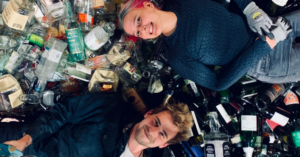
Glass Half Full Nola was founded in 2020 by Franziska Trautmann and Max Steitz, two Tulane students who wanted to build stronger infrastructure for glass recycling in New Orleans. According to the EPA, the United States produced 12.3 million tons of glass in 2018, and 7.6 million tons of glass entered landfills. Only 3.1 million tons of glass were recycled that year (EPA). In light of this issue, Trautmann and Steitz used the resources they already had and started their project in their backyard. They hand-crushed the glass that they and their friends used in their day-to-day lives. As their community learned of their project and sent in more donations, their project expanded to a small business operating out of a glass processing facility. The company established drop-off sites and collection services all over New Orleans to increase accessibility for their new method of environmental stewardship. The donated glass gets crushed into sand and gravel for coastline restoration, disaster relief, flooring, and new glass products. With just an idea, a backyard, and some everyday tools, Trautmann and Steitz made a positive environmental impact. Though their initial plan grew into a more ambitious project, the humble beginnings of Glass Half Full Nola prove that anyone can use what they have to make meaningful small-scale change for the Earth.

Founders Franziska Trautmann and Max Steitz


Students in New Orleans aren’t the only ones putting their trash to good use: Swahili Modern, a fair trade company based in Portland, Oregon, distributes artisanal, handmade, African products to consumers in the United States. The business which now consists of twenty employees began with only its founder, Leslie Mittelberg. Mittelberg aimed to supply African artisans with more options for work, to give struggling artisans a stable and steady income, and to empower female artisans working from home. Swahili Modern currently distributes recycled art, and the pieces’ descriptions inform consumers of who made them and how. For example, the lion sculpture shown above was built from upcycled flip-flops. The sculptors, who work for a company called Ocean Sole, are based in a workshop in Nairobi, Kenya, and they make a living by collecting the several tons of flip-flops that wash up on the Kenyan coast each year. By working with this company, and many others, Mittelberg’s network of small businesses prove that it is possible to incorporate environmentally conscious products into a company’s regular inventory– something every small business is capable of doing.

Kenyan Artisans sculpt lion from discarded flip-flops
Artisans in Nairobi, Kenya, working against climate change and pollution


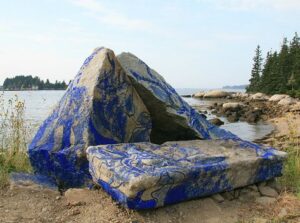
While artists in Africa create dazzling forms from discarded flip-flops, the artist Aviva Rahmani makes local change from right here in Maine. In her art, she embraces the idea of intersecting art and environmentalism. In 2002, Rahmani started the Blue Rocks Project to spread awareness about an obstructed causeway on Pleasant River in Vinalhaven, a town on an island in Maine. The Army Corps of Engineers had just finished construction on the causeway, leaving it narrower than before, and the construction prevented tidal flow between the saltwater and freshwater. Wetlands are vital to the health of the environment, and according to the World Wildlife Fund, the world lost about 35 percent of wetlands between 1970 and 2015 (WWF). Aviva Rahmani painted forty boulders around the causeway with complex blue designs using non toxic paint to draw attention to this serious issue. When the town subpoenaed her to wash off the rocks, she staged a “wash-in” to educate people in passing cars about the importance of maintaining healthy estuaries as she washed. The attention she brought to estuarine health helped convince the USDA to commit $500,000 to restoring twenty-six acres of vital wetlands. Rahmani wanted to make change, so she used what she had and what she knew to spread awareness for important causes. While not everyone can procure thousands of dollars from the USDA, Rahmani’s willingness to incorporate parts of her daily life into the world of environmental activism proves that anyone else can do the same.

Aviva Rahmani paints rocks with blue paint to draw attention to wetland safety.

All of these individuals and small companies making environmental change began as the rest of us are now– just people with an idea and a rudimentary set of tools to implement their plan: hammers and large containers of glass in someone’s backyard; old pieces of footwear and tools from the workshop; a bucket of paint and a rock. These simple beginnings prove to the world that anyone who wants to can make a difference in the environment. Anyone at all. On your daily walk, pick up the trash you see along the way. See how creative you can get with the soda bottles you throw away– maybe they’d make a cool plant pot. No matter what it is, the next time you have an idea that could help save the environment but don’t know where to start, just look to what you know.


Learn more about Glass Half Full Nola here.

Learn more about Swahili Modern’s recycled art here.

Learn more about Aviva Rahmani’s work here.


Works Cited

Facts and Figures about Materials, Waste, and Recycling– Glass: Material-Specific Data. EPA. Retrieved December 3, 2023, from https://www.epa.gov/facts-and-figures-about-materials-waste-and-recycling/glass-material-specific-data. 

Glass Half Full Nola— Glass recycling, coastal restoration. Glass Half Full. Retrieved October 15, 2023, from https://glasshalffull.co/. 

Kiri Technologies. (n.d.). Founders: Franziska Trautmann and Max Steitz. Kiri News. Retrieved October 15, 2023, from https://kiri.news/from-waste-to-resource-the-innovative-story-of-glass-half-full-nola/.

Our Impact. Ocean Sole. Retrieved December 3, 2023, from https://oceansole.com/pages/our-impact. 

Rahmani, A. (n.d.). Blue Sea Lavender detail on Echoes of the Islands. Aviva Rahmani. Retrieved November 10, 2023, from https://www.avivarahmani.com/endangered-species-ecoart.

Recycled Handcrafted Sculptures from Kenya. Swahili Modern. Retrieved October 15, 2023, from https://www.swahilimodern.com/collections/recycled-art. 

Swahili Modern. (n.d.). Extra Large Flip Flop Lion Sculpture. Swahili Modern. Retrieved October 15, 2023, from https://www.swahilimodern.com/collections/recycled-art/products/extra-large-flip-flop-lion-sculpture-1.

Swahili Modern. (n.d.). Kenyan artisans that build sculptures from recycled materials. Swahili Modern. Retrieved October 15, 2023, from https://www.swahilimodern.com/collections/recycled-art/products/extra-large-flip-flop-lion-sculpture-1.

Water Ecosystems Preservation — Aviva Rahmani. Aviva Rahmani. Retrieved November 10, 2023, from https://www.avivarahmani.com/water-ecosystem-preservation-ecoart. 

WWF. World’s wetlands disappearing three times faster than forests: Global Wetlands Outlook paints alarming picture of decline in world’s most valuable ecosystems. World Wildlife Fund. Retrieved December 3, 2023 from https://wwf.panda.org/wwf_news/?335575/Worlds-wetlands-disappearing-three-times-faster-than-forests.

Filed Under: Environmental Science and EOS, Science Tagged With: climate change, companies, environmentalism, individuals, small-scale

Ending the Biomedical Harvest: Synthetic Alternatives to Horseshoe Crab Blood for Bacterial Endotoxin Detection

December 3, 2023 by Gabe O'Brien

Did you know that horseshoe crabs have incredible immune systems? In fact, horseshoe crabs have the best immune systems out of all living invertebrates. Their secret? Blood. Horseshoe crab blood is very simple in composition, with only a single cell type in general circulation (the granular amebocyte) and only three proteins in the plasma of the blood (hemocyanin, C-reactive proteins, and a2-macroglobulin) (Armstrong et al., 2008). These proteins contribute to the horseshoe crab’s blood clotting system, protecting them from infection. Horseshoe crab blood has been found to be very sensitive to bacterial endotoxins found in illness-causing Gram-negative bacteria (Protecting Health). When horseshoe crab blood cells come into contact with bacterial endotoxin, they clot around it, preventing the bacterium from invading nearby cells (Natural History Museum 2020). 

With the rise of vaccine development, especially in the case of the Covid-19 pandemic, horseshoe crab blood plays an essential role in testing the safety of vaccines due to its endotoxin-detection properties. Additionally, large volumes of horseshoe crab blood can be collected easily, making it a convenient blood source (Armstrong et al., 2008). Despite all the beneficial applications of horseshoe crab blood, horseshoe crab bleeding leaves thousands of horseshoe crabs dead annually, causing their populations to be in decline (Maloney et al., 2018). A 2018 study has promoted a synthetic alternative to horseshoe crab blood, recombinant Factor C (rFC), and proven its efficacy in bacterial endotoxin detection. The use of rFC in vaccine development can eliminate the need for the use of actual horseshoe crab blood, sparing the horseshoe crab and promoting the conservation of this endangered species. 

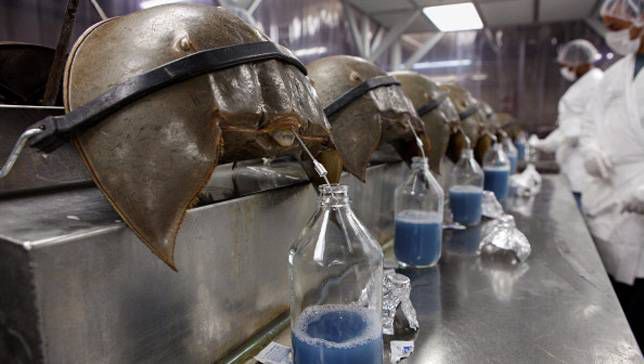
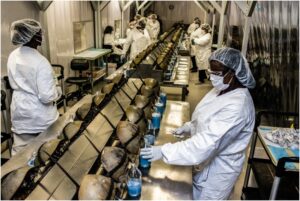
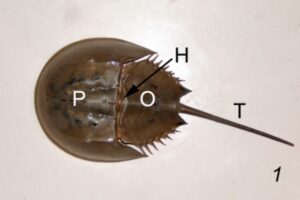
Typically, horseshoe crab blood is collected by the direct puncture of the heart under sterile conditions that minimize contamination by bacterial endotoxins (Figure 1). A large horseshoe crab can produce between 200 – 400 mL of blood, and the blood clotting system can be studied microscopically. The limitation of contamination by bacterial endotoxins is extremely important in the blood collection process, because cell clotting will compromise the effectiveness of the blood for its intended use of developing vaccines. Only undamaged horseshoe crabs are selected for blood collection, and the animal is bled by the insertion of a needle into the heart through the outer hinge joint of the horseshoe crab (Figure 2). The animal is then squeezed gently so that as much blood as possible can be deposited into the collection tube (Armstrong et al., 2008).

Figure 1: Horseshoe crab bleeding on a larger scale, with precautions taken to ensure sanitary, endotoxin-free conditions for blood collection.

Figure 2: The three major components of the body of a horseshoe crab, including the prosoma (P), the opisthosoma (O), and the telson (T). The hinge (H) is where the prosoma meets the opisthosoma, and that is where the needle is inserted for blood collection. 

Following collection, horseshoe crab blood is ready for use in endotoxin detection (Armstrong et al., 2008). For example, in vaccine development, a Limulus amebocyte lysate (LAL) test detects the levels of clotting in horseshoe crab blood when it comes into contact with different vaccines. Horseshoe crab blood is very precise with detecting even small traces of endotoxin, making it an effective tool to identify small quantities of endotoxin present in potential vaccines (Protecting Health).  

Although horseshoe crab blood is effective in its ability to detect endotoxins, recombinant Factor C (rFC) can do the same job in a way that is more ecologically sustainable. Initially, rFC was discovered by scientists at the National University of Singapore, allowing them to visualize endotoxin detection using animal-free technology. Every year over 500,000 horseshoe crabs are captured and as much as ⅓ of their blood is drained, contributing to high mortality rates. On top of this, around 13% of the horseshoe crabs bled are later sold for bait, resulting in nearly 130,000 horseshoe crab victims to the biomedical industry. A 2018 study confirmed that the biomedical industry could reduce their use of horseshoe crab blood by nearly 90% if they were to employ rFC as a synthetic alternative for endotoxin detection processes. The 2018 study reviews multiple studies that show how rFC is just as effective as actual horseshoe crab blood in endotoxin detection, as rFC has been able to demonstrate the same high rate and sensitivity as horseshoe crab blood in detecting small amounts of endotoxin in a wide range of chemical structures. When endotoxin binds to a synthetic rFC molecule, it causes the rFC to fluoresce directly proportional to the concentration of endotoxin in a substance. rFC has even been able to demonstrate a higher rate of specificity for endotoxin detection (compared to horseshoe crab blood) in some studies (Maloney et al., 2018).

The most important next step of this research is to get synthetic rFC into the hands of the biomedical industry. Exposure to endotoxin can cause serious illness, making endotoxin detection for vaccines an essential part of the vaccine development process.  Even though there is ample evidence that rFC is equivalent to or better than horseshoe crab blood at detecting bacterial endotoxin, there are still limitations to the usage of rFC, as it is difficult for the biomedical industry to adopt new technologies quickly. Endotoxin detection testing is very highly regulated, so many pharmaceutical manufacturers may be hesitant to employ new detection technologies, as they may want to stick to traditional methods instead (Maloney et al., 2018). Despite these limitations, in order to progress towards horseshoe crab conservation, rFC should be produced and employed on a large scale so that the biomedical industry will no longer be solely reliant on the exploitation of horseshoe crabs for bacterial endotoxin detection.

Literature Cited

1. Armstrong, P., Conrad, M. Blood Collection from the American Horseshoe Crab, Limulus Polyphemus. J. Vis. Exp. (20), e958, doi:10.3791/958 (2008). 

2. “Horseshoe Crab Blood: The Miracle Vaccine Ingredient That’s Saved Millions of Lives.” Www.nhm.ac.uk, www.nhm.ac.uk/discover/horseshoe-crab-blood-miracle-vaccine-ingredient.html#:~:text=Horseshoe%20crab%20blood%20is%20bright.  

3. Maloney T, Phelan R, Simmons N. Saving the horseshoe crab: A synthetic alternative to horseshoe crab blood for endotoxin detection. PLoS Biol. 2018 Oct 12;16(10):e2006607. doi: 10.1371/journal.pbio.2006607. PMID: 30312293; PMCID: PMC6200278.  

4. “Protecting Health.” Www.horseshoecrab.org, www.horseshoecrab.org/med/health.html. Accessed 12 Nov. 2023.  


Filed Under: Biology, Chemistry and Biochemistry, Environmental Science and EOS Tagged With: Biology, blood, clinical testing, conservation, horseshoe crabs, Medicine, vaccine development

The role of info chemicals in seabird plastic ingestion

April 2, 2023 by Angel Del Valle Cardenas '26

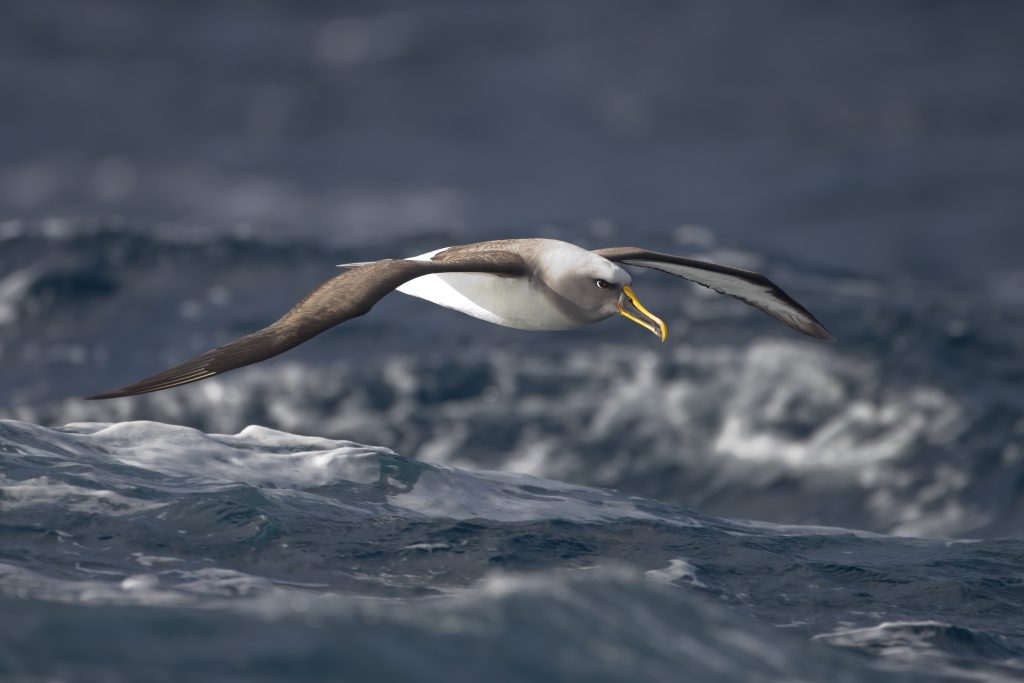
Short-tailed Shearwater (Puffinus tenuirostris), Ryan Shaw (2009)

Plastic debris is widespread in our waters with more than a quarter of a billion metric tons of plastic suspended in its global oceans. This abundant plastic pollution is being consumed by hundreds of organisms, ranging from tiny zooplankton to giant baleen whales. Seabirds are especially at risk, with a projection model concluding that over 99% of all seabird species will have ingested plastic debris by 2050. The consumption of plastic is incredibly harmful to seabirds as it reduces the storage volume of the stomach which ultimately leads to starvation and death. In the last few years, it has been discovered that the plastic problem is much more complicated than we thought before as many seabirds rely on their sense of smell to locate their prey instead of just visually. A 2016 study has brought to light this common misconception of marine organisms consuming plastic debris solely based on visual cues and has introduced a new factor: dimethyl sulfide (DMS). 

DMS is an infochemical used by foraging organisms as a way to find prey in marine environments. The production of DMS is from the enzymatic breakdown of its chemical precursor, dimethylsulfoniopropionate (DMSP), which increases when zooplanktons eat, letting other marine organisms know of the presence of a new meal. Plastic debris is an excellent substrate for biota that produce these infochemicals due to its convenience in biofouling, which is the accumulation of organisms on a surface. Since plastic debris can be easily fouled by DMS-producing organisms, then the debris can also produce a DMS signature that is significant enough to lead seabirds and similar organisms to consume it. 

To prove this, scientists examined the sulfur signature of plastic beads from the most common types of plastic found in the ocean. These plastic beads were tested for sulfur signatures after either being exposed to marine conditions or never being exposed to these conditions. The beads exposed to marine conditions were deployed off the coast of California at the Bodega Marine Laboratory and Hopkins Marine Station at oceanographic buoys and then retrieved after approximately three weeks. After examining each plastic bead, it was found that the samples not exposed to marine conditions did not produce any DMS signature. However, every sample that was tested after marine exposure was found to have produced a DMS signature. Even after less than a month of marine exposure, these plastic samples were found to produce DMS signatures that were significant enough to be detected by seabirds.

Additionally, the study was able to predict the importance of DMS and plastic ingestion patterns within seabirds through data analysis. Plastic ingestion data was analyzed from 55 studies among 25 procellariiforms––the order under which seabirds fall––to determine that DMS responsiveness has a significant positive effect on the frequency of plastic ingestion. Additionally, plastic ingestion patterns were predicted through calculations using data from previous studies to find that DMS-responsive species ingest plastic five times as frequently as non-DMS-responsive species.

The study has challenged the frequent assumption that marine organisms consume plastic because it is visibly mistaken for prey, suggesting rather that chemical cues like DMS play a role. This plastic ingestion has many implications, one such being that the semiannual movement patterns of seabirds between the Southern and Northern Hemispheres can create contact with plastic on a global scale rather than just a regional one. Although the primary focus of this study was on seabirds, they are not the only species that respond to DMS––sea turtles, penguins, and various other organisms have been shown to use DMS and DMSP as foraging compounds and could be impacted similarly. We must start mitigating the plastic waste we produce and work towards cleaning up our oceans. While this is a huge step to take, we can begin by looking for alternatives to plastic that are safer for the environment and reduce the amount of plastic that we use in our everyday lives.


References:

Savoca, M. S., Wohlfeil, M. E., Ebeler, S. E., & Nevitt, G. A. (2016). Marine plastic debris emits a keystone infochemical for olfactory foraging seabirds. Science Advances, 2(11). https://doi.org/10.1126/sciadv.1600395 

Eriksen, L. C. M. Lebreton, H. S. Carson, M. Thiel, C. J. Moore, J. C. Borerro, F. Galgani, P. G. Ryan, J. Reisser, Plastic pollution in the world’s oceans: More than 5 trillion plastic pieces weighing over 250,000 tons afloat at sea. PLOS ONE 9, e111913 (2014).

Wilcox, E. Van Sebille, B. D. Hardesty, Threat of plastic pollution to seabirds is global, pervasive, and increasing. Proc. Natl. Acad. Sci. U.S.A. 112, 11899–11904 (2015).

Ocean plastics pollution. Ocean Plastics Pollution. (n.d.). Retrieved April 2, 2023, from https://www.biologicaldiversity.org/campaigns/ocean_plastics/?adb_sid=71bc9f17-356c-492f-9204-f0e22e2752b6

Filed Under: Environmental Science and EOS, Science Tagged With: birds, marine, ocean, plastic, seabirds

Mercury, Contaminating Our Oceans and Your Food

April 2, 2023 by Riley Simon '26

Mercury, you may know it as the solar system’s smallest planet or as the “red stuff” in old thermometers. You may have even heard of its toxic effects on people if exposure occurs. However, you may not know that mercury is significant outside of the realm of toxic thermometers and astronomy. The chemical element mercury is a contaminant that is being pumped into the atmosphere at an alarming rate and is poisoning aquatic environments. Mercury is becoming an increasingly common pollutant in our oceans and lakes and its toxic effects are causing harm to marine life and creating an imbalance in our marine ecosystems.

Before mercury can enter aquatic environments, it is released in large quantities by anthropogenic sources. Mercury can enter the atmosphere through natural sources such as volcanoes or forest fires, but it is primarily released through the burning of fossil fuels and small-scale gold mining (Montes 287). The release of mercury is problematic because it is very easily transported through the atmosphere. Mercury is a volatile element, which means that it evaporates at low temperatures (mercury can even evaporate at room temperature) and easily enters its gaseous state to be carried long distances through the air (Pollet 860).

After mercury is transported through the atmosphere and enters aquatic environments, it is transformed into its more toxic state, methylmercury (CH3Hg or MeHg). Mercury is transformed into methylmercury through the process of mercury methylation when Hg incorporates CH3, making it into CH3Hg (or MeHg). In the ocean, methylation of mercury is carried out by bacteria. Essentially, bacteria that are present in aquatic environments absorb mercury and perform the methylation reaction before releasing methylmercury back into the ecosystem (Poulain 1280-1281).

Once organisms ingest methylmercury, they experience detrimental effects on their function and, ultimately, their survival. For example, seabirds with more than 0.2 μg (micrograms) of mercury in their blood per gram of wet weight have observed negative effects on their bodies’ systems and their function. An approximately equivalent concentration can be represented by one person out of the entire state of Alabama, which has a population of 5.04 million. At this level or greater, birds experience detrimental effects on their nervous and reproductive systems as well as changes to their hormonal makeup and trouble with motor and behavioral skills (Pollet 860). 

Another interesting observation of mercury contamination is its differing distribution of concentrations among populations. The methylmercury concentration in seabirds was explored between 2013 and 2019 when egg and blood samples were taken of Leach’s storm petrels along with the GPS tracking of foraging petrels. By comparing measured mercury concentration in blood and eggs to ocean depth of foraging locations, a correlation was found. The study concluded that the water depth had a significant effect on the methylmercury levels measured in Leach’s storm petrels. Storm petrels who foraged in deep waters had higher methylmercury concentrations in their blood than storm petrels who forage in shallow or coastal waters. The positive correlation between ocean depth and mercury concentration is likely due to differences in diet based on foraging location. This could also be related to the fact that mercury methylation is most efficient in deep water (Pollet 860).

These negative effects on seabirds also have broad effects on the entire ecosystem that they are a part of. This is because methylmercury biomagnifies up the food web. As the methylmercury moves up trophic levels in a food chain, its concentration in a given organism increases. This increase in concentration is dramatic. In fact, measured mercury concentrations in predator species can be millions of times greater than the concentration observed in surface waters. The problem of biomagnification is even more dramatic in Maine because of its latitude. While the phenomenon is not entirely understood, ecosystems located at higher latitudes have been observed to be more susceptible to biomagnification than tropical regions (Lavoie 13385-13394). 

Other than affecting our Maine wildlife, mercury contamination could have a negative impact on human health. Mercury is not only a problem for seabirds, but fish are also just as susceptible to contamination. This can become a major problem for commercial fisheries because the seafood they produce for our consumption have the potential for mercury contamination. In fact, there was an incident in Japan in 1956 when people who consumed contaminated seafood became severely ill or died. Over the course of 36 years after the incident, 2252 people were infected 1034 people were killed in relation to the initial methylmercury contamination (Harada 1-24). While this level of contamination is an anomaly, a 2018 study projected that approximately 38% of countries experience some level of human exposure to mercury due to contaminated seafood consumption. There are steps that can be taken to prevent this. For example, setting stricter regulations on mercury content limits, applying proper culinary treatments, or updating fishing practices could all diminish the probability of mercury exposure to humans (Jinadasa 112710). 

That being said, addressing the root of the problem is the only way to most effectively diminish mercury exposure for marine organisms and people. Mercury contamination is a problem that has a dramatic domino effect beginning in our atmosphere and ending in human consumption. It is an issue that is often forgotten in discussions of the environmental impact of burning fossil fuels. However, considering its impact on marine life and eventually human life, it is a byproduct that cannot be overlooked.


Works Cited

da Silva Montes, C., Ferreira, M. A. P., Giarrizzo, T., Amado, L. L., & Rocha, R. M. (2022). The
legacy of artisanal gold mining and its impact on fish health from Tapajós Amazonian
region: A multi-biomarker approach. Chemosphere, 287, 132263.

Harada, M. (1995). Minamata disease: methylmercury poisoning in Japan caused by
environmental pollution. Critical reviews in toxicology, 25(1), 1-24.

Jinadasa, B. K. K. K., Jayasinghe, G. D. T. M., Pohl, P., & Fowler, S. W. (2021). Mitigating the
impact of mercury contaminants in fish and other seafood—A review. Marine Pollution
Bulletin, 171, 112710.

Lavoie, R. A., Jardine, T. D., Chumchal, M. M., Kidd, K. A., & Campbell, L. M. (2013).
Biomagnification of mercury in aquatic food webs: a worldwide meta-analysis.
Environmental science & technology, 47(23), 13385-13394.

Pollet, I. L., McFarlane-Tranquilla, L., Burgess, N. M., Diamond, A. W., Gjerdrum, C., Hedd, A.,
… & Mallory, M. L. (2023). Factors influencing mercury levels in Leach’s storm-petrels at
northwest Atlantic colonies. Science of The Total Environment, 860, 160464.

Poulain, A. J., & Barkay, T. (2013). Cracking the mercury methylation code. Science, 339(6125),
1280-1281.

Filed Under: Biology, Environmental Science and EOS Tagged With: contaminants, fossil fuels, Marine Biology, mercury, seabirds

Ecology, Policy, and Science Communication: The Story of Biologist and Activist Erika Zavaleta

April 2, 2023 by Kellie Navarro '23

Erika Zavaleta is an interdisciplinary scientist that has worked her career to make her research accessible, has broken down barriers for biologists of color, and is seen by many to be a trailblazer in her field. Zavaleta is a community and ecosystem biologist at the University of California Santa Cruz (UCSC) that focuses on global and regional environmental change, ecosystem functioning, and effective stewardship. She uses environmental policy, economics, anthropology, and outreach as tools to communicate her research to a larger audience as a scientist that aims to make the field accessible. She received her bachelor’s and master’s in anthropology and Ph.D. in biological sciences at Stanford University. Dr. Zavaleta is a Howard Hughes Medical Institute Professor in the Ecology and Evolutionary Biology department at UCSC. She is an appointed California Fish and Game Commission science advisor, an Ecological Society of America (ESA) “Excellence in Ecology Scholar,” ESA fellow, and a fellow of the California Academy of Sciences. Dr. Zavaleta has also co-authored over 75 papers and book chapters in the fields of conservation, ecology, and social sciences. In 2021, she received the Commitment to Human Diversity in Ecology Award from ESA due to her devotion to highlighting the voices of low-income, Indigenous, Black, and Latino backgrounds in the ecology and conservation field.

Dr. Zavaleta’s Conservation Science and Solutions Lab is interested in questions related to ecological responses to climate change, changes in biodiversity due to environmental variability, and conservation-based approaches to mediate these impacts. Some research projects currently taking place by her lab members are the impacts of land and water use changes on bat ecological communities, the impacts of community-led forestry conservation efforts in Brazil and Nepal, and the effectiveness of current conservation efforts in response to climate change. Through this research, Zavaleta’s group works to act as a link between ecology theory and research to develop and recommend effective conservation and management practices. The lab places an emphasis on collaborating with community partners, approaching research through a multidisciplinary lens, and furthering initiatives that promote inclusivity in the field of conservation and biology.

Zavaleta’s lab has supported initiatives that she founded at UCSC that provide mentorship and support for historically excluded scientists including the Doris Duke Conservation Scholars Program and the Center to Advance Mentored, Inquiry-Based Opportunities (CAMINO) in 2013 and 2017 respectively. The Doris Duke Conservation Scholars Program (DDCSP) is a national fellowship that aims to increase accessibility to the conservation field, mainly focusing on providing training and research experience for underrepresented students in science. DDCSP is carried out by five partners including the DDCSP Collaborative, the University of California at Santa Cruz, the University of Michigan, the University of Washington, and the Yale School of the Environment. CAMINO works directly with students at UCSC and provides academic and professional assistance from graduate and faculty mentors. The center pairs CAMINO scholars with funded internships where they can gain research experience regardless of their previous internships in the ecology and conservation field. Dr. Zavaleta currently serves as a faculty director for both of these programs.

Most recently, Zavaleta established a training called FieldFutures with biologist Dr. Melissa Cronin that emphasizes the importance of field-based education and research that prevent sexual harassment for scientists in the ecology and conservation field. As said on their website, “studies have shown that 64% of surveyed field researchers experienced harassment—and one in five experienced assault— while conducting fieldwork. Women, people of color, LGBTQIA+ people, and people with other marginalized identities are more likely to experience these problems.” Since fieldwork directly places scientists of all genders at greater risk of sexual violence, FieldFutures works to provide workshops that identify ways to increase prevention, provides a space for scientists to get hands-on experience in dealing with these situations, and offers protocols that can be used in the field. The “Futures” component of their name symbolizes their vision of a future for fieldwork free of sexual assault and harassment—and they are working towards getting closer to this prospect with each training.

I write about Dr. Zavaleta as a fellow Latina and future conservation biologist who not only admires her research and intellectual contributions to the field but also her dedication to making the field one that welcomes people like me. During my first and second summers as an undergraduate, I spent them as a Doris Duke Conservation Scholar at the University of California Santa Cruz (UCSC). I have heard first-hand Dr. Zavaleta’s passion for finding climate solutions, diversifying the field, and using public policy to enact impactful environmental legislation. She has not only shown her commitment to increasing diversity in the field, but she has also asserted her support for social movements around the country and pledged to incorporate their missions in her own work. In 2020 in a letter as director of DDCSP, she contended that

Science and conservation have long marginalized Black and brown voices, faces, and talents. The demographics of our country tell us that there should be five times as many scientists and professionals of color in ecology, evolution, and conservation as there are. The absence of diverse leadership in our field sustains this gap unless all of us work for change. We all have to speak up and act when we see racial inequities affect our peers, colleagues, students, and communities.

As a beneficiary of the initiatives she has passionately poured time and energy into, I can attest that programs like DDSCP have helped me and my peers realize that scientists like us—first-generation college students and people of color— can thrive in this field and use our experiences to connect to a greater audience in the scientific field. I wish to be as intentional and inclusive as Dr. Zavaleta moving forward as a scientist, educator, and science communicator and I hope that more people in this career follow her lead.

Filed Under: Environmental Science and EOS, Science

Living in Beaverland: The Ecology and Biogeochemistry of Beavers

April 9, 2021 by Jean Clemente '23

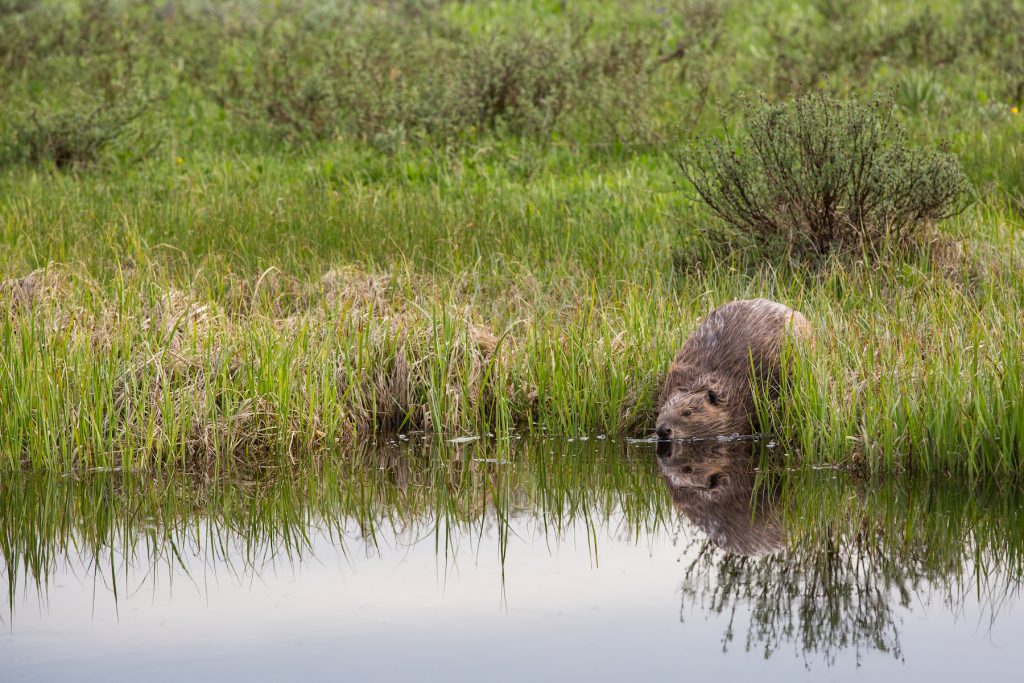
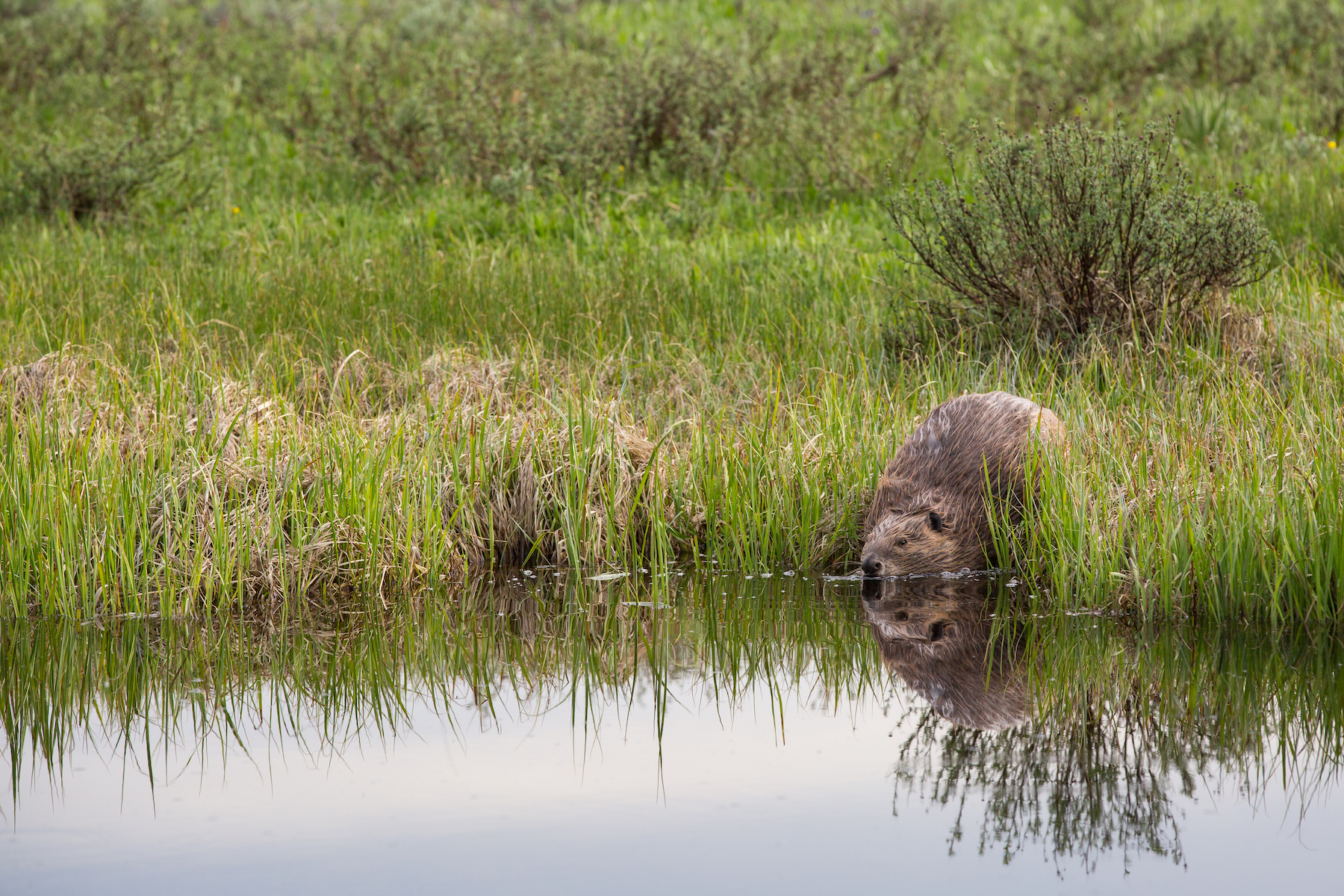
Next time you’re flying up to the Portland Jetport and the third rerun of Endgame just isn’t cutting it, look out the window. Much of the northern half of the continent is a sprawling landscape dotted with kettle lakes, winding rivers, and other vestigial scars of a world once drowned in ice. Certainly, of the processes that shaped the bedrock Bowdoin sits on, none are as immediately evident as the glaciers that covered it for seventy thousand years. Today, however, a much tinier (and cuter) force gnaws away at the landscape of modern Maine. Our waterways are a record of glaciers, true, but they’re just as much a record of the furry engineers that now inhabit them: Castor canadensis, the North American beaver. 


NPS / Neal Herbert, Public Domain.


Calling beavers “ecosystem engineers” isn’t science mumbo-jumbo: beavers quite literally show an understanding of the forces of hydrology that backdrops their dams. When a stream encounters a thin opening in bedrock that constricts its flow, its waters gurgle and bubble as it narrows through the gap. It is this gurgling that first allures a beaver to build its dam. In essence, beavers can “‘hear’ the geometry of the river basin.” There, a pioneering beaver colony lays the first branches of speckled alder that they consider too bitter for food, pointing the branches upstream to catch and anchor sediment as part of this keystone layer of wood. Layer upon layer of mud and stick convexes upstream, like the shape of the Hoover Dam, to combat increasing pressure from the pond when the dam plugs more water. As the colony gets larger, beavers build secondary and tertiary dams upstream to relieve pressure on their lodge, so that within generations, the colony will have terraformed their entire forest environment with ponds and meadows along a stairway of rivers and dams.

This process of familial expansion has impacted nearly all of the waterways in the northern United States, especially following their bounce back to pre-colonial populations. For instance, in the North Woods of Minnesota, 90% of streams flow through at least one dam, and overall, 15% of land is covered by beaver ponds or meadows. In the process, beavers unknowingly change the ecology, hydrology, and chemistry of their ponds— often by simply slowing down water. 

At its simplest, slower water cannot carry as much sediment, and in beaver habitats, this has incredible repercussions. Regions that experience alarming rates of erosion benefit from dams because streams cannot carry away soil. So, if rivers cannot carry sediment, they must deposit it instead of erode: beaver ponds carry much more sediment than other streams, increasing the amount of organic matter stored in its pond bottoms. When abandoned dams are broken through, this standing stock of nutrients encourages plant growth and a more biodiverse wet meadow after flooding settles. In the Colorado River, for instance, the distribution of sediment deposited in a dam flood influenced where a diverse plant community was able to grow.

By the same token, beaver habitats are essentially wetlands, critically changing the biogeochemical conditions around dams. Deeper waters and deeper soils foster denitrification, a form of bacterial activity that filters waters affected by nitrate pollution from things like fertilizers. Depositing more sediment also increases the carbon found in beaver ponds. Altogether, these wetland conditions increase biodiversity by a third of what’s found without beaver habitation. Because slower, sediment-laden streams downstream of dams are more likely to curve and branch, more beaver colonies can use them. With these prolific changes, the continent might truly, as environmental journalist Ben Goldfarb puts it, “better be termed Beaverland.”

Scientists have kept log (pun intended) of these benefits for quite some time— the foundational study on their role as geomorphic agents was published in 1938— but attempts to work together with the rodents in structures called beaver dam analogs (BDAs) have only caught on in recent years. In one of its earlier uses, ecosystems analyst Michael Pollock worked on the restoration of a stream that steelhead trout used in their migration inland. Before long, “beavers came and set up shop” on Pollock’s somewhat ad-hoc dams, and the results his team saw were incredible: BDAs increased habitat and reared more than three times more steelhead than an undammed stream nearby.

Despite its happy ending, Pollock argues that their study isn’t the paper to end all papers. How effectively BDAs can mimic and aid beaver dam construction still requires much more testing, and whether it’s worthwhile to reintroduce beavers at all is still debated. Nonetheless, some local governments and farmers alike who benefit from their application have begun to consider the idea of a true BDA Beaverland, so long as regulators get on board too. Whether the costs of building and maintaining BDAs are worth a beaver dam’s biogeochemical and ecological benefits are still up for talk among officials hesitant to rely on these furry rodents. But with all its controversy, you can’t deny that the impacts of Beaverland truly seem to be giving glaciers a run for their money.

Filed Under: Biology, Environmental Science and EOS Tagged With: BDA, Beavers, biogeochemistry, ecology

Seismic Songs and Slinkies

March 15, 2021 by Nora Jackson '21

            In 1970, a 34-minute album was released by bio-acousticians Katharine and Roger Payne composed entirely of humpback whale songs. A few minutes into the album, phrases begin to coalesce into conversations with voices rising and falling in a strangely familiar rhythm. Some phrases sound like whining teenagers. Others like an elder beginning a story or a family on a trip. At times, though, the songs sound completely otherworldly.  The album is called Songs of the Humpback Whale, and it turned people’s ears towards the sounds of the oceans.

           Today, whale songs have caught the attention of a different audience: geophysicists studying the ocean floor. Our modern understandings of bathymetry – or underwater topography – have largely come from studies using instrumental acoustic waves onboard ships. As a ship travels through the ocean, an instrument called a transducer sends sound waves through the water and receives the signals that bounce back. Imagine standing at the railing of a ship and flinging one end of a slinky down to the seafloor: when the slinky hits the bottom, it sends a pulse back up to your hand. Now imagine your slinky reaches a layer of mud on the seafloor. It will send a very different signal back to your hand than if it penetrated to a denser material, like the ocean crust. That return pulse can be analyzed to produce profiles of seafloor texture and thickness.

           As powerful as this method – called the echo sounder method – is to the study of bathymetry, it comes with a major problem. Roger Payne and others helped us understand that marine mammals use sounds to socialize, navigate, find food, and identify mates. These are just a few possible interpretations of marine mammal vocalizations; it’s still a language we have yet to fully translate. What happens, though, when the ambient noise of the ocean from shipping increases? Global ship density increased by a factor of four from 1992 to 2012 which was linked to a 3 decibel per decade increase in ambient marine noise. That might not seem like a lot, but studies have found that maritime noise negatively interferes with marine mammals.  As some biologists describe it, maritime noise is like smog; “it shrinks the perceptual world of whales, fish, and other marine life.” And it turns out, the echo sounder method and other acoustic methods used to study the seafloor can also be detrimental to marine mammals and cause temporary hearing loss, disorientation, and behavioral changes.

           Is there a solution? Can geophysicists and oceanographers simultaneously study the seafloor while minimizing the impacts on marine life? From Science, authors Václav Kuna and John Nábĕlek introduce an innovative and less invasive technique for studying ocean seafloor structure by harnessing fin whale songs. 

Fin whales (Balaenoptera physalus) are the second largest whale in our oceans, growing up to 75-85 feet long. Fin whales use baleen – hair-like plates made of keratin that hang inside whales’ mouths – to filter feed on krill and small fish. The most important characteristic of fin whales for Kuna and Nábĕlek’s research was their powerful vocalizations – often reaching up to 189 dB, which is louder than a jet engine. These vocalizations have been picked up at ocean-bottom seismometer (OBS) stations which monitor underwater earthquakes. Kuna and Nábĕlek discovered that these OBS stations were not only recording songs directly from fin whales but also the secondary waves reflected up from the seafloor.

           Kuna and Nábĕlek studied six fin whale song recordings collected from three OBS stations located near an active fault in the north east Pacific, about 150 km off the coast of Oregon. The authors determined the whales’ paths and distances from the stations based off of the difference between the arrival times of two wave types – the direct wave, registering first at a higher velocity, and the waterborne multiple wave, a series of waves that bounce off the seafloor and sea surface before registering at an OBS station.

           In addition to sound waves, the authors identified four distinct seismic waves based on their unique subsurface reflection patterns. The arrival times of these seismic phases at the OBS stations varied because their velocities differed depending on the composition of the layers they penetrated. Again, think of the slinky interacting with seafloor layers that have differing densities. Based on the arrival times of the seismic phases relative to the arrival times of the waterborne wave types, Kuna and Nábĕlek determined that the seismic velocities of the whales’ calls corresponded with wave interactions at sediment, basaltic, and lower crustal layers. These findings aligned well with geophysicists’ previous maps of the bathymetry in the region.

           The significance of these results is nothing short of remarkable. Kuna and Nábĕlek harnessed a natural phenomenon – fin whale songs – to better understand geologic features of the seafloor that are completely unrelated to whales. They created a link between two distinct spheres of Earth that no one knew existed. Now as Songs of the Humpback Whale comes to an end, I’m left with an image of whales sharing secrets of the seafloor as they travel across ocean basins. 


Filed Under: Environmental Science and EOS Tagged With: Bathymetry, Marine Mammals, Marine noise

  • « Go to Previous Page
  • Page 1
  • Page 2
  • Page 3
  • Go to Next Page »

Primary Sidebar

CATEGORY CLOUD

Biology Chemistry and Biochemistry Computer Science and Tech Environmental Science and EOS Honors Projects Math and Physics Psychology and Neuroscience Science

RECENT POSTS

  • The Association Between Tooth Loss and Cognitive Decline May 4, 2026
  • From Pack to Patient: Improvising Stability in the Backcountry May 3, 2026
  • Between Concentration and Decentralization: The Changing Landscape of AI Power May 3, 2026

FOLLOW US

  • Facebook
  • Twitter

Footer

TAGS

AI AI ethics Alzheimer's Disease antibiotics artificial intelligence bacteria Bathymetry Biology brain Cancer Biology Cell Biology Chemistry and Biochemistry Chlorofluorocarbons climate change cognitive Computer Science and Tech CRISPR Dentistry Depression Dermatology dreams emergency medicine epigenetics Ethics Genes Gut microbiota honors Marine Biology Marine Mammals Marine noise Medicine memory Montreal Protocol neurobiology neuron neuroscience Nutrients Ozone hole Psychology and Neuroscience seabirds sleep student Technology therapy Women's health

Copyright © 2026 · students.bowdoin.edu